All Categories
Featured

Paid Growth Marketing Tactics for US
Table of Contents
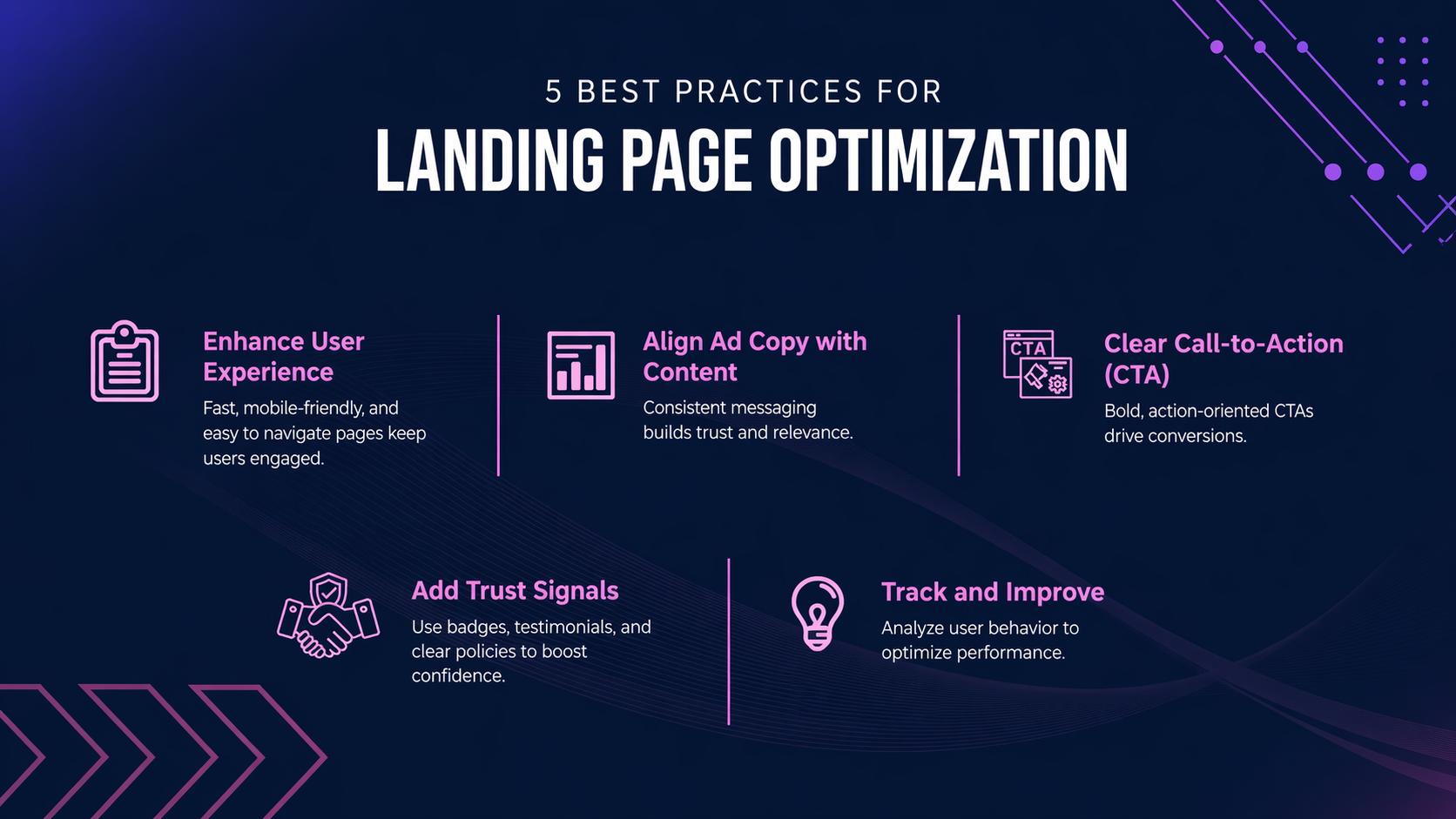
The above-the-fold location, what visitors see before scrolling, determines whether they engage or bounce. HEADING 2. VISIBLE CTA 4.
[target1:anchor_exact1]We have actually seen this pattern decrease conversions by 30-50% compared to text-first above-fold designs. Generic CTAs like "Send" or "Click Here" waste conversions.
First-person language ("Get My." vs "Get Your.") typically outshines, though this deserves A/B screening for your specific audience. Likewise consider CTA placement. We suggest a minimum of 2 CTA touchpoints: one above the fold, and one after your greatest evidence area. For long-form pages, include a sticky CTA bar. Social evidence is one of the most powerful conversion drivers, but a lot of landing pages treat it as a checkbox: a row of logos at the bottom that visitors hardly ever see.
"Increased conversion rate from 2.1% to 7.8%" (numbers beat generalities), Seeing a real person constructs more trust than text, Genuine names, real business, real faces, Specifically recognisable brands, "Trusted by 1,000+ companies", "4.8/ 5 from 2,400 evaluations" What We have actually Seen, EcoGen America On a solar landing page we developed for EcoGen America, positioning Google review ratings and a rival contrast table directly surrounding to the "Get My Free Quote" CTA drove an, substantially going beyond the renewable energy sector average.
Optimizing Ads Performance for US Markets
Kind length is not a one-size-fits-all decision. The right number of fields depends on what you're offering and where the visitor is in the purchasing journey. Funnel StageOffer TypeRecommended Fields Top of FunnelEbook, checklist, webinar2-3 fields (name, email) Mid FunnelFree trial, demo request4-5 fields (+ business, role) Bottom of FunnelConsultation, quote, purchase5-8 fields (+ qualifying concerns) The trade-off is quantity vs.
Fewer fields less more create but may however unqualified prospects.
Integrating Predictive Models Into ROI
Trust isn't simply reviews. It's a system of signals woven throughout the page. Visitors make subconscious trust evaluations based upon multiple hints:, Phone number, physical address, email. Even if you choose not to get calls, showing a phone number substantially increases viewed legitimacy., SSL, payment security, industry certifications, Awards, partnerships, accreditations, Money-back guarantees, complimentary cancellation policies, Near types: "We won't share your information", Stock pictures of "teams" do the opposite of building trust Throughout landing page jobs, adding a phone number and trust badges near the form consistently enhances conversion rates by 5-15%, with nearly no effort.
Research study regularly shows: 7% Drop in conversions per extra second of load time 53% Mobile visitors leave if a page takes more than 3 seconds to fill 2.5 s Google's Core Web Vitals LCP target for a "excellent" experience Quick wins for landing page speed: Compress images to WebP format Lazy-load images listed below the fold Minimise third-party scripts Utilize a CDN Preload vital CSS and fonts Remove unused JavaScript For a deeper technical breakdown, see our guide on page speed and load time insights.
Many landing pages are developed on desktop and then awkwardly compressed for smaller sized screens. Mobile-specific optimisation top priorities:, Buttons ought to be at least 44px tall and easy to tap, Single-column, generous spacing, Consider minimizing fields or using autofill, Include tap-to-dial phone numbers, 16px minimum font size, high contrast, Mobile networks are slower; speed matters much more A page that converts at 5% on desktop but 1.5% on mobile has a mobile issue, not a traffic issue.
[target1:anchor_exact1]Fake countdown timers and produced "limited schedule" claims deteriorate trust. Reliable urgency patterns:, "Offer ends March 31" (real dates, not evergreen timers), "3 areas remaining this quarter" (if real), "Existing rates offered until [date], "847 marketers downloaded this guide today" Place urgency components near your CTA to strengthen the reason to act now, not later on.

Latest Posts

High-Conversion Best Practices in 2026
Leveraging Predictive Models for Optimize Media Spend

Effective Growth Media Tactics for US-Based Campaigns